
VoiceXP
Adaptive Digital Therapeutics for Selective Mutism
The Objective
- VoiceXP is a gamified framework designed to provide additional opportunities for practice in session and between sessions.
- Traditional exposure therapy for Selective Mutism relies on manual, clinic-bound tracking.
- Home carry-over can be fragile — potential for drop-out when the therapist is not in the room.
- VoiceXP is an automated, gamified framework that continues the exposure ladder between sessions and tracks user progress over time.
- A cross-platform MVP — live on iOS and Android today.
TEST ME NOW


Unwind before practice
Self-expression

- Creative sandbox environment where user can relay what happened.
- Universal emojis and symbols as a shared vocabulary.
- The child builds the scene — people, feelings, place — so the story can be told.
Explore your voice in your comfort zone
Voice play

- Play with voice timbre and live feedback.
- Layer frequencies into a harmony and hear how it can sound.
- Normalizes listening to — and reflecting on — one’s own voice.
Sound Play
Seven levels, one gentle ladder
User-reported readiness (bird beak) maps to a method + a game. After each session, the evaluated value moves independently of the reported value.
Level
Readiness
Method
Game
Play goal
1Play with choir singer voices

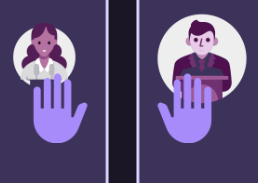
Listen and explore the layered voices, when ready Blend in with the choir by humming along.
2Lip pops


Pop bubbles with a lip-pop. Lip mechanics only — no vocal engagement required.
3Lip trills

Power a car with lip trills. Longer trill = longer drive. Encourages longer and deeper breaths. Tilt device for extra fun to collect coins.
4Fire breath
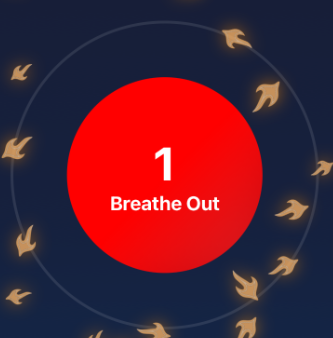
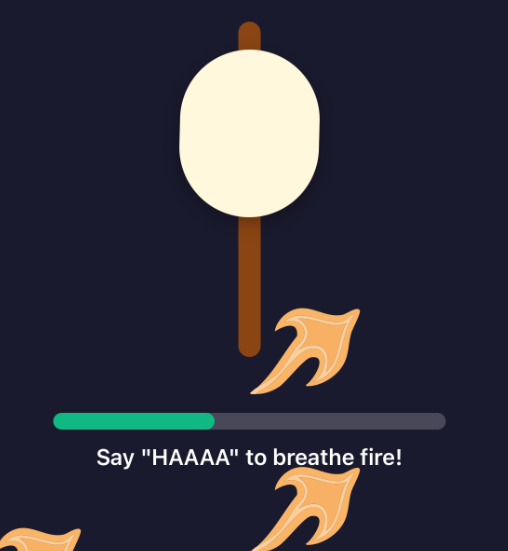
Toast a marshmallow on a voiced exhale. Rewards vocalization intensity.
5Buzz


Keep a bee aloft with a sustained buzz.
6Sustained voice


Steer a dragon with vocal volume intensity. Volume maps to flight.
7Playful voice

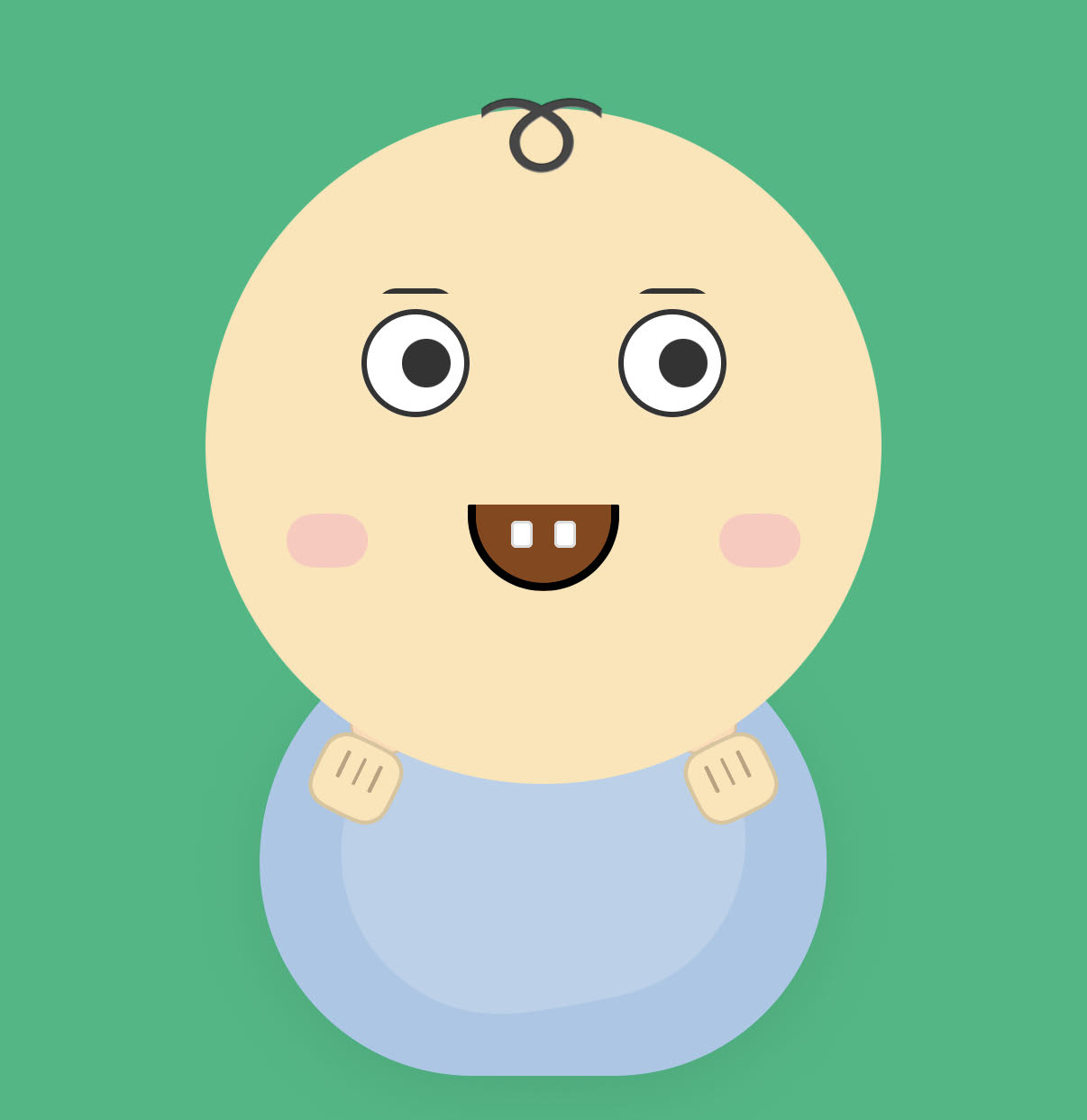
A baby mimics any sound the user makes in a funny voice. Real words are being counted towards the level completion goal.
Logic map
Self-reported readiness maps to a game-level spike or drop.
1
Self-reported readiness
Optional: Adult registers practice location for telemetry.
User sets the bird-beak slider (0–100%).
2
Logic maps input → tier
Higher → sustained-voice games.
Lower → silent / lip-only tiers.
3
Lesson flow
Each of the Sound Play games has an optional flow for guidance and technique instructions, which consists of:
- Breathing exercises
- Set of voice and lip mechanics demonstrations
- Theory around building confidence through breath, voice and lip mechanics
Track mock progress in different practice locations
Example of voice comfort tracking by location
Blue = reported beak check. Green = post-session evaluated.
9/89/109/129/149/169/189/20
Reported · 63%
Evaluated · 70%
Inspirations and References
- Confident Speech and Vocal practice framework
- Titze, I. R. (1994). Principles of Voice Production
- Landreth, G. L. (2023). Play Therapy: The Art of the Relationship
Call to action
Future Research & Partnerships
Seeking institutional research partners for clinical validation studies, grant collaborations, and licensing opportunities.
Let’s talk — voicexp@appontap.net